News

Fast-growing fires were responsible for nearly 90% of fire-related damages despite being relatively rare in the United States between 2001-2020, according to a new study that was led by CU Boulder and involved NSF NCAR.

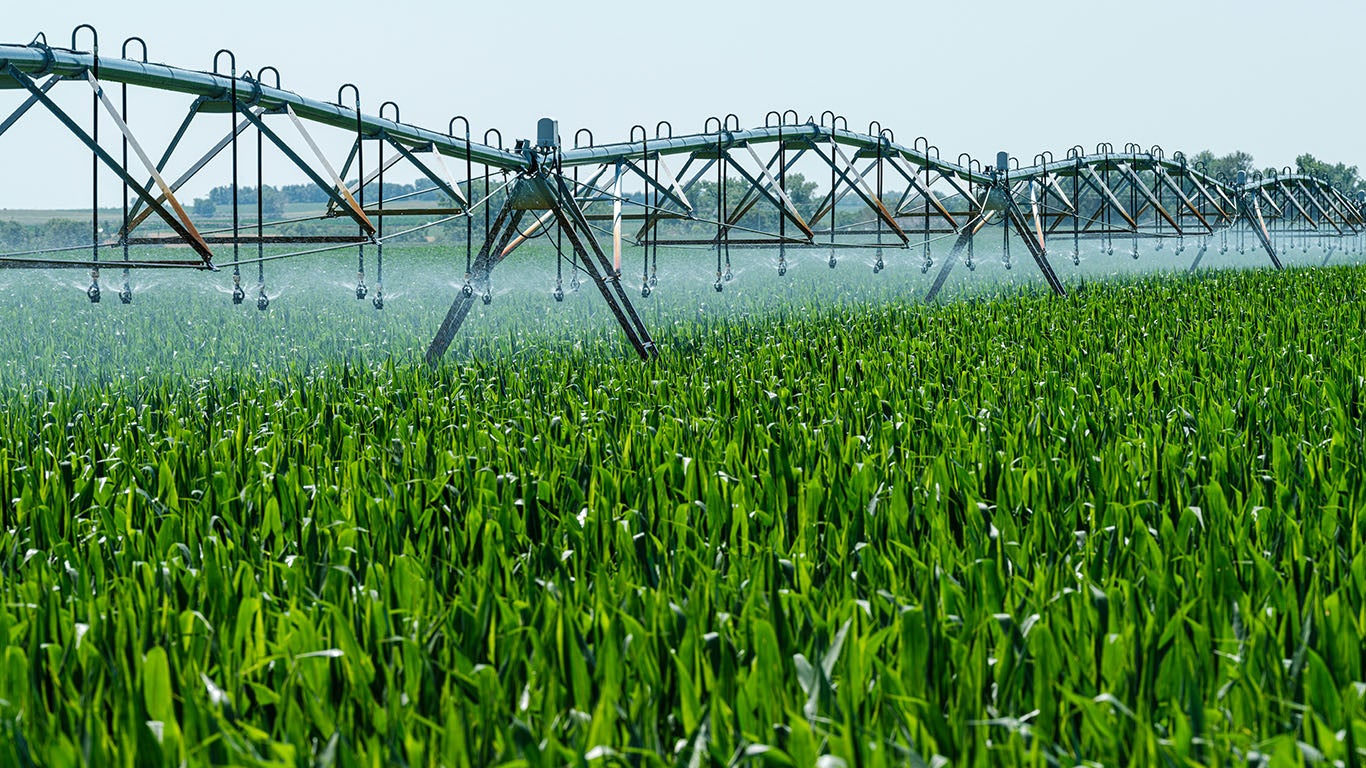
A multi-disciplinary team of researchers aims to make agricultural data more accessible with a mobile app and web-based application called CropSmart. The goal of CropSmart is to revolutionize the way farmers, agribusiness operators, and government agricultural officials make decisions about irrigation strategies, fertilizer applications, and when to harvest.
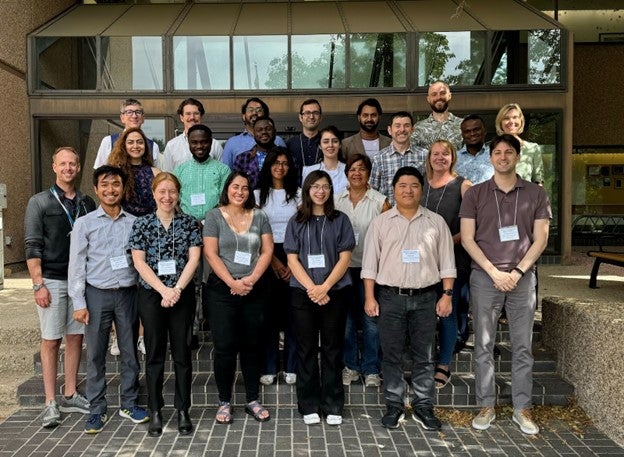
The 2024 GIS Program workshop was attended by 17 early career faculty and students who learned about Exploring Coastal Resilience and Flood Risk through Geospatial Storytelling held on Aug. 12-13, 2024 at NSF NCAR in Boulder, CO.

NCAR GIS just released three new interactive visualization tools that illustrate air quality across a variety of modalities. These tools have been developed as dashboards that elegantly facilitate the end-user experience making it easy to understand trends and patterns in the data.

NSF NCAR scientists are studying key aspects of wildfires.

As athletes worldwide prepare for the Paris 2024 Olympics, the best of the best in weather research are also gearing up for a friendly competition. Several international weather research and forecasting organizations will collaborate to provide high-resolution forecast information for Olympics organizers as well as test the capabilities of experimental air quality and weather forecasting models.

As heat waves become more frequent and intense, mothers are facing increased risk of preterm and early-term labor.

The SOS field project has yielded clues about the sublimation of snow in a mountain environment.