News

This coupled model will allow NOAA to forecast the growth and direction of burning wildland fires. Knowing the location of active fires from satellite retrievals, this information, together with the new UFS capability (SRW v3.0.0), gives NOAA the ability to provide timely and accurate fire weather, fire behavior, and smoke-forecast guidance to safeguard lives and property and manage downstream air-quality impacts.

Scientists have begun the fight from the research side. Knowing when a fire is likely, how fast it will burn, and how far and where it will spread will go a long way toward protecting property and lives. 

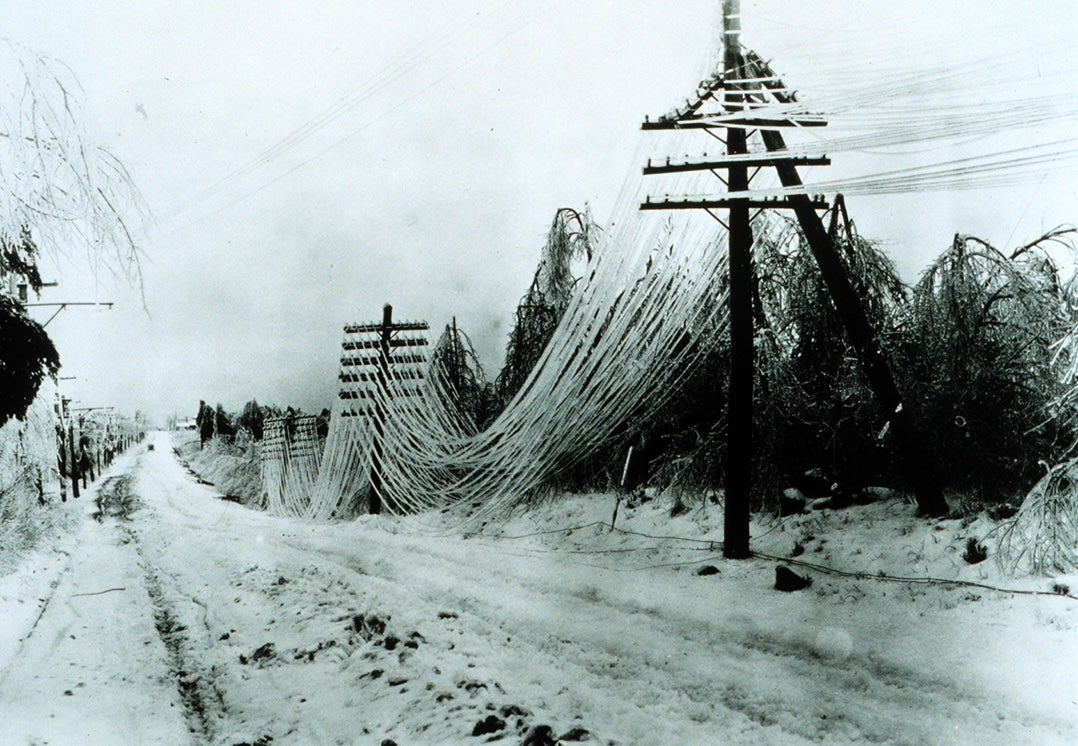
In order to make communities less vulnerable, structures must be built with extreme weather events in mind. Researchers at the U.S. National Science Foundation National Center for Atmospheric Research (NSF NCAR) are collaborating with SUNY Polytechnic Institute to do just that by updating structural design standards on icing conditions.

The WRF-Hydro® team has kicked off a new project to couple the WRF-Hydro routing modules to NSF NCAR's Model for Prediction Across Scales (MPAS). 

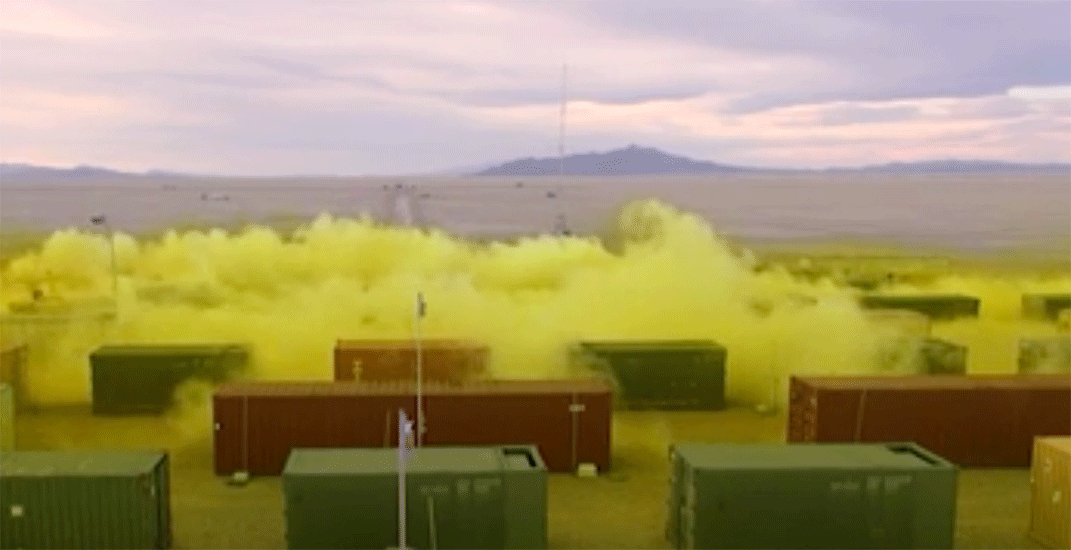
NSF NCAR scientists have developed a suite of high-technology tools that give military leaders vital intelligence about weather and climate conditions.

Pleased to announce the release of the WRF-Hydro® Modeling System, version 5.4! 

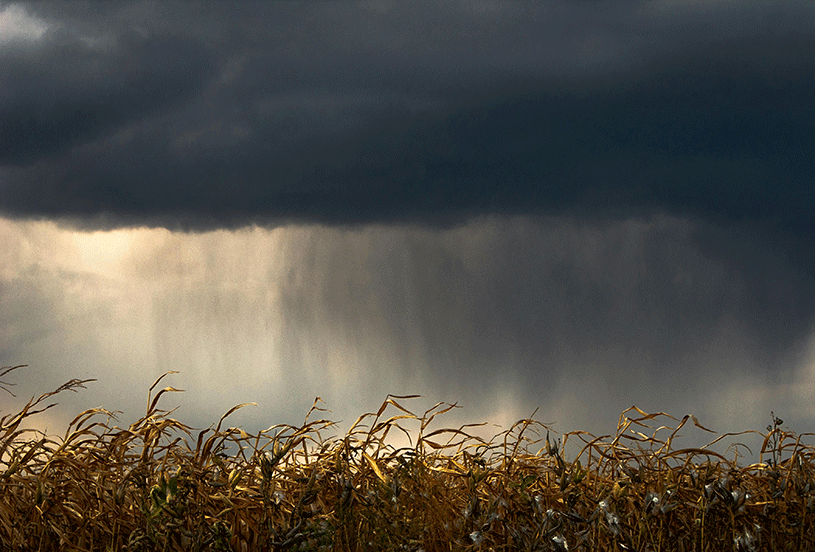
The corn fields of the central U.S., along with intensive irrigation and shallow groundwater, has altered the region's precipitation patterns.

Scientists are successfully producing very fine-scale simulations of the turbulent winds of landfalling hurricanes.

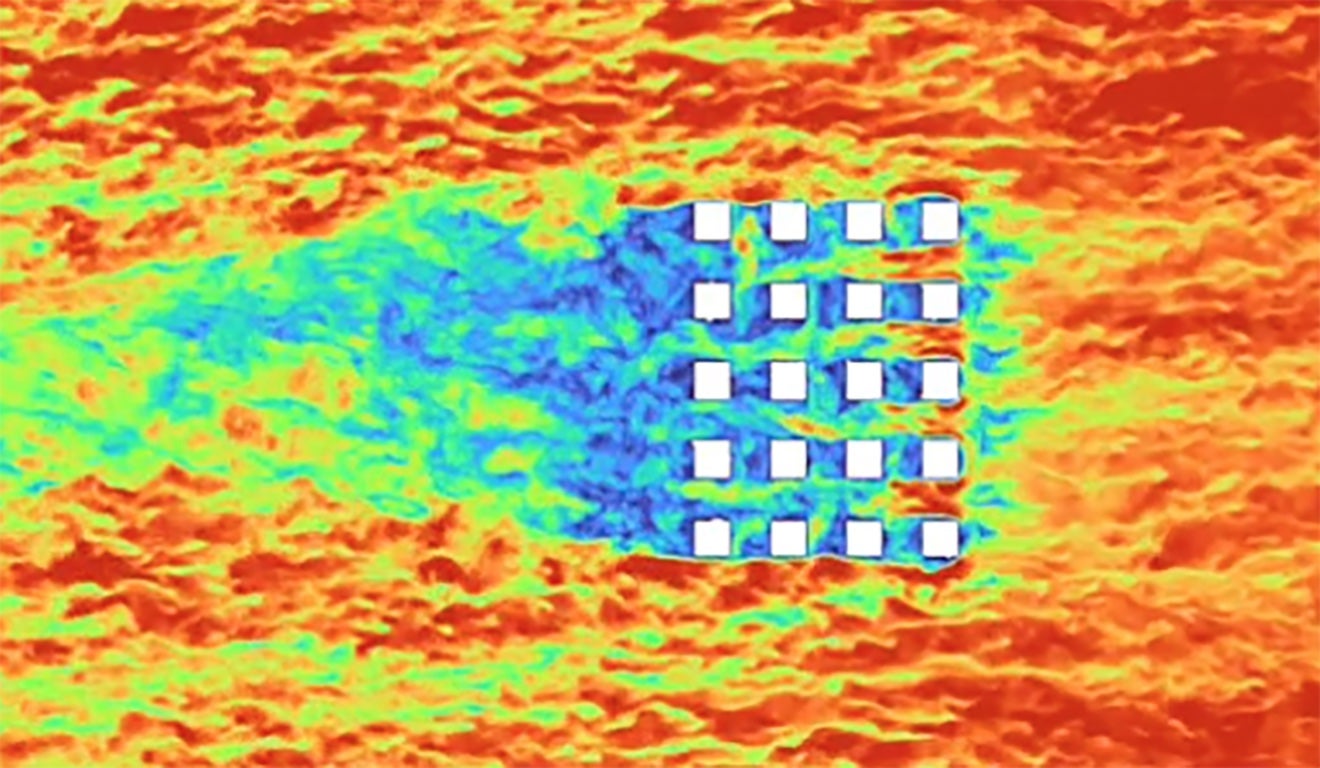
More research is needed to strengthen the resilience of next-generation offshore wind turbines against extreme weather conditions.