News

NSF NCAR has named Christopher L. Castro the new director of its Research Applications Laboratory (RAL). Castro is currently professor and interim head of the Department of Hydrology and Atmospheric Sciences at the University of Arizona, as well as director of the Center for Applied Hydroclimate Sciences within the Arizona Institute for Resilience.

NSF NCAR experts are available for media interviews about hurricanes.

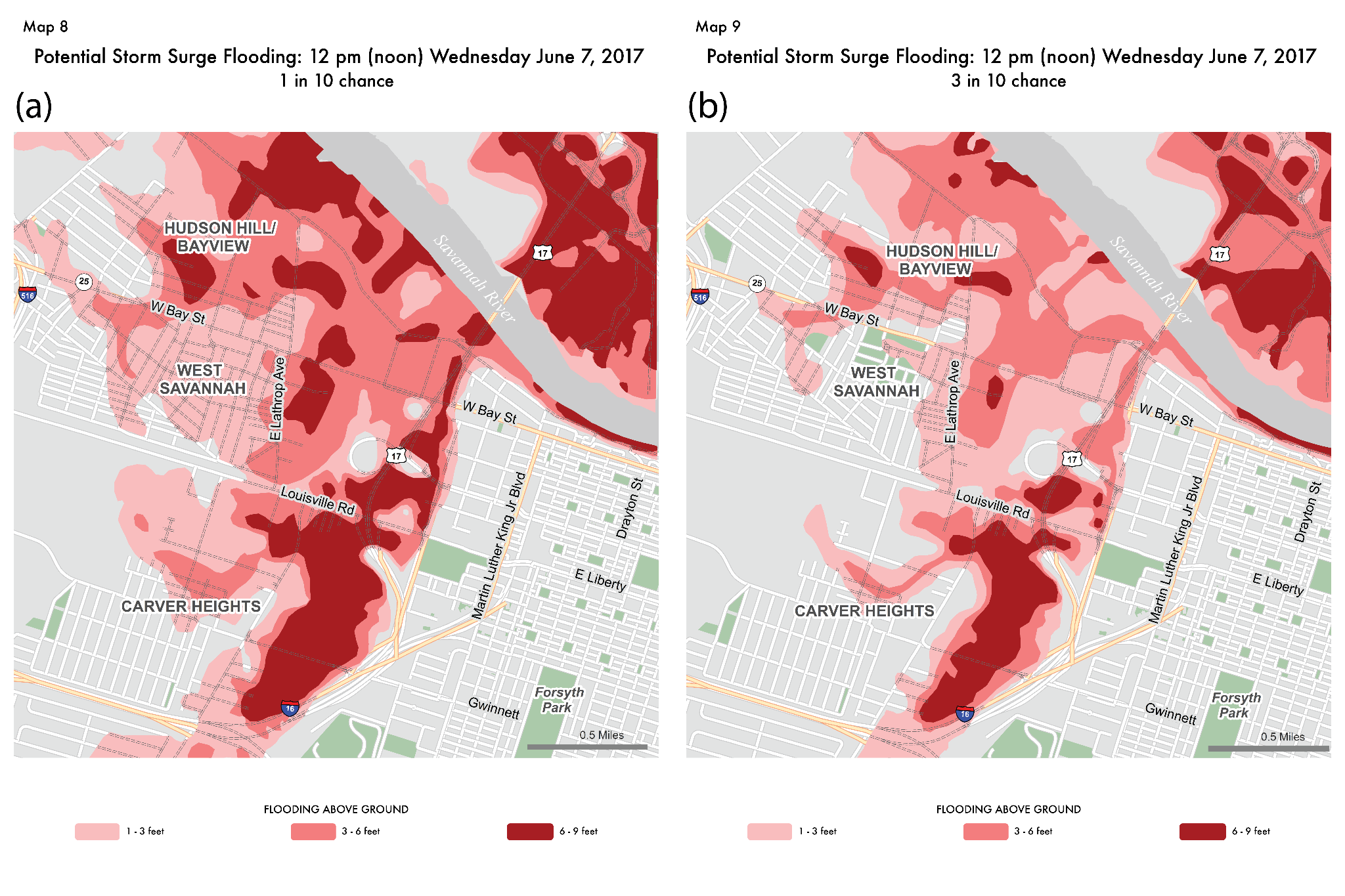
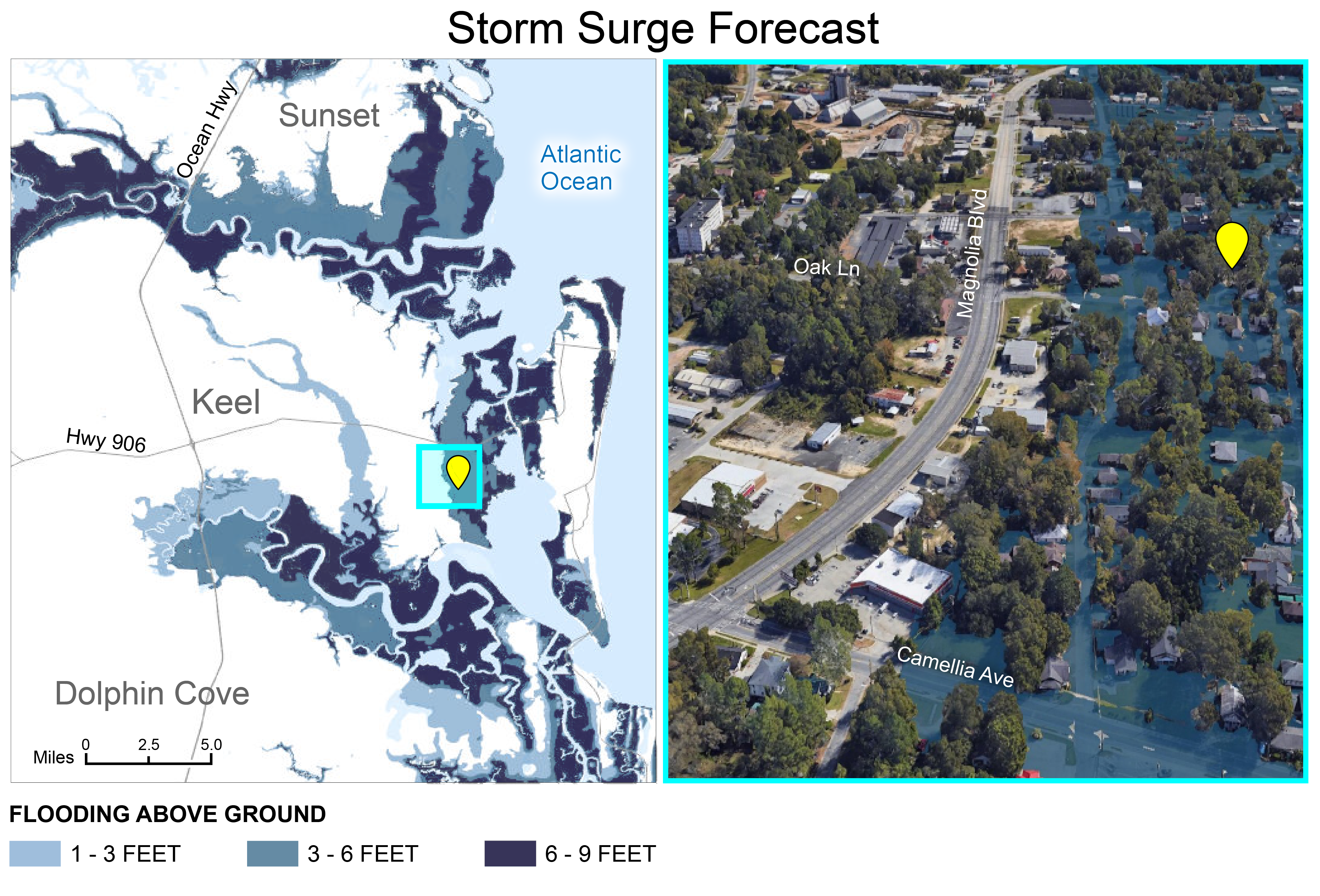
A new study published in The International Journal of Disaster Risk Reduction explores how different aspects of geospatial visualization influence individuals' understanding and relatability of storm surge information.

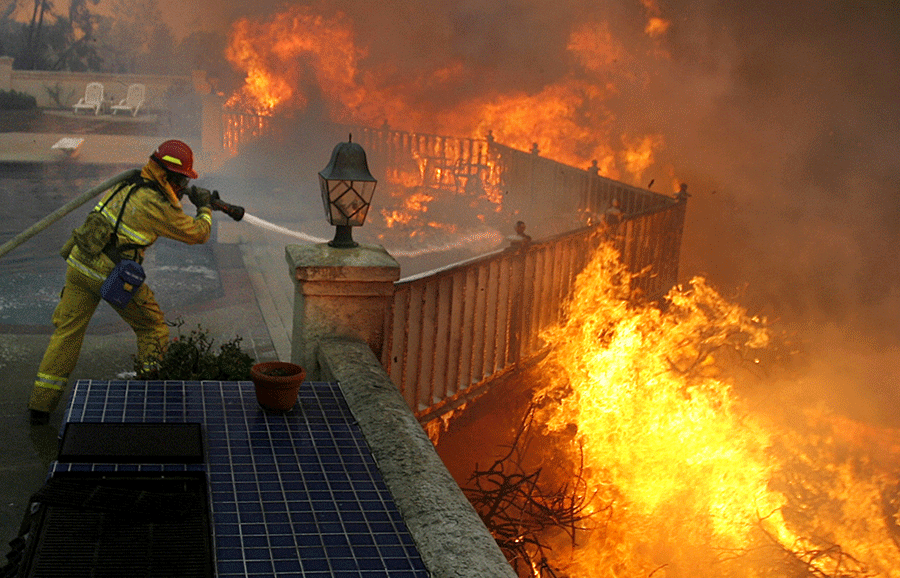
Fires that burn through the wildland-urban interface are becoming more frequent worldwide, and the trend is likely to continue.

Experts at NSF NCAR are available to talk with reporters about a number of aspects of atmospheric rivers.

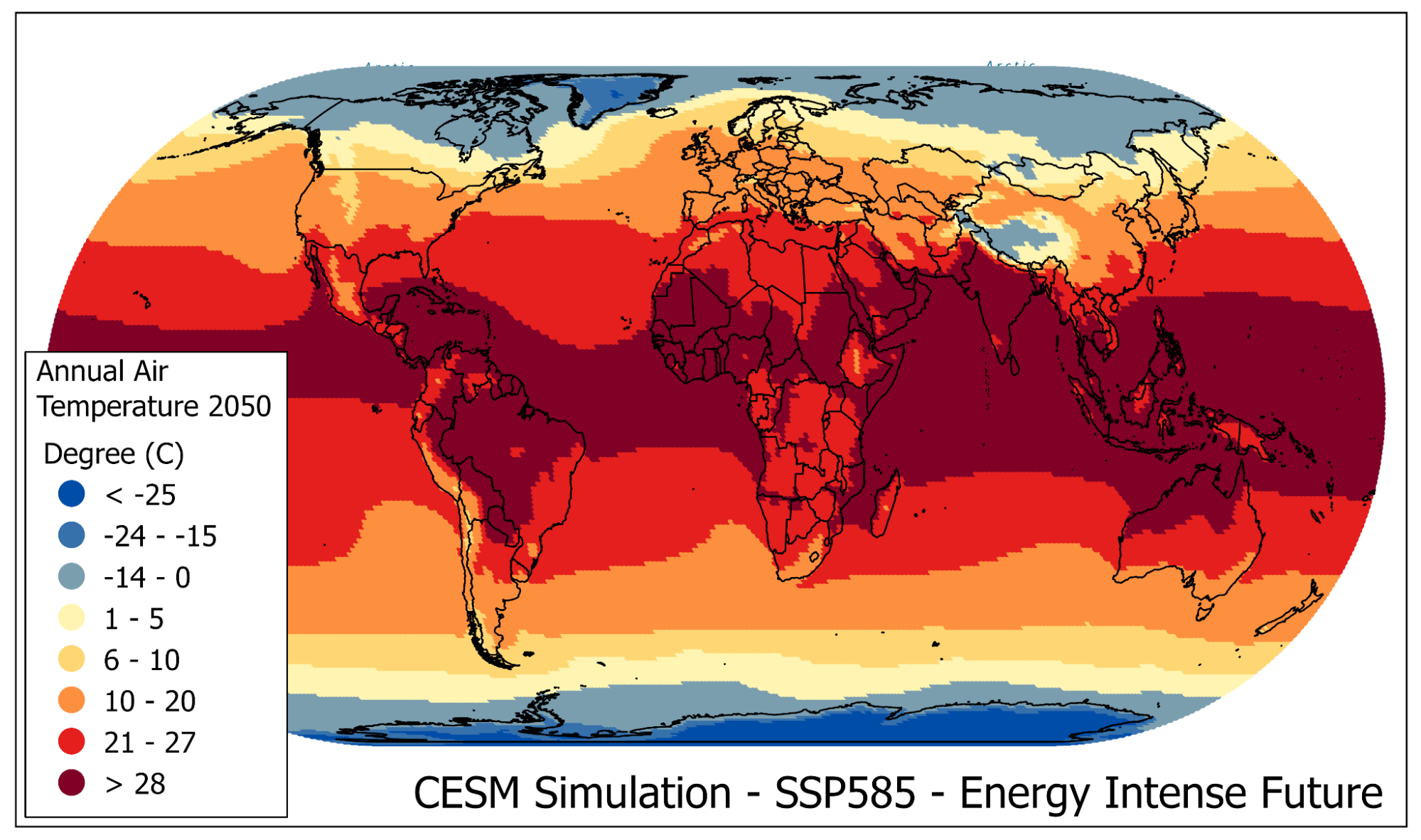
Global climate simulations from the Community Earth System Model (CESM), that were produced at NCAR for the 6th Assessment Report of the IPCC and are part of the Coupled Model Intercomparison Project Phase 6 (CMIP6), are now available for download in a number of tabular and geospatial (GIS) formats.

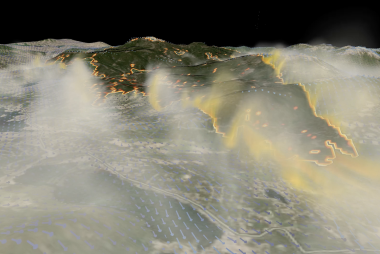
Scientists have used a pair of computer models to simulate last year's Lahaina Wildfire, a development that could potentially help with future firefighting operations and evacuations.

New study explores effectiveness of geovisualizations in storm surge risk communication.  

NCAR has been awarded NSF funding to research links between new road transportation technologies and the changing climate.